Can Old Asphalt Shingles Be Repurposed Into New Roofing Products?
November 7, 2025
November 7, 2025
Highlights:
- Asphalt shingles can be processed into valuable inputs like asphalt binder and mineral aggregate.
- Recycled shingle content (RAS) is used in paving mixes and emerging roofing applications.
- Policy, quality control, and logistics determine whether repurposing is practical in a given market.
- Homeowners in Urbana, IL can ask contractors about certified recycling and end-markets.
- Dillman Brothers supports informed choices that reduce waste and promote circular construction.
Understanding the Potential of Recycled Asphalt Shingles
Old asphalt shingles don't have to end their life in a landfill. With the right processing, they can be transformed into useful inputs for paving, underlayments, and research-driven roofing innovations. The core value lies in the asphalt binder and mineral granules embedded in each shingle, which retain functionality after removal. According to the EPA , responsible management of construction and demolition materials-including shingles-can conserve resources and reduce environmental burdens. For homeowners and contractors, the real question is not whether shingles are recyclable in theory, but how to connect local tear-off projects to reliable, quality-controlled end-markets.How Shingles Are Collected and Processed
To repurpose asphalt shingles effectively, the material must be collected, sorted, and crushed or ground into uniform particle sizes. Throughout the process, metal fasteners (e.g. nails) are removed, contaminants are screened out, and moisture levels are controlled. These steps are all part of a quality assurance workflow that helps ensure the recycled asphalt shingles (RAS) product meets buyers' standards. According to the Federal Highway Administration (FHWA) , when processed and tested appropriately, RAS can supply both asphalt binder and aggregate to hot-mix asphalt mixtures, as long as the resulting combinations satisfy the relevant performance specifications. These specifications differ from one agency to another, but they all aim to preserve pavement performance while unlocking the material and economic value present in tear-off shingles.Innovation in Repurposing Old Roofing Materials
Repurposing shingles into roofing-related products is an area of active innovation. While paving remains the most mature market, manufacturers and researchers are investigating methods to integrate reclaimed mineral and asphalt fractions into underlayments, sealants, and other roofing-adjacent materials. According to Roofing Magazine , the Asphalt Roofing Manufacturers Association (ARMA) has released a technical bulletin on low-slope roofing recycling to guide industry efforts and promote performance-based adoption. In practice, these efforts require validating that any recycled content meets technical standards for adhesion, weathering resistance, and long-term durability before being accepted in a roofing application.Frequently Asked Questions
Quality Control and Specification Requirements
Quality assurance is central to any plan to repurpose shingles. Facilities establish incoming load checks to limit contamination from wood, plastics, or felt that could compromise end-use performance. Particle size distribution and asphalt content testing help determine how a batch will behave in a mix. The FHWA notes that agencies often cap RAS percentages to balance sustainability gains with mechanical performance, moisture sensitivity, and cracking resistance. These limits vary by jurisdiction and mix type, underscoring the importance of working with recyclers who understand the local specification landscape.Local Logistics and Recycling Access in Urbana, IL
For communities like Urbana, IL, practical logistics matter as much as science. Efficient repurposing programs depend on proximity to processors, hauling economics, seasonal demand for asphalt mixes, and contractor participation. Homeowners can play a role by asking roofers about recycling options and verifying where materials go after tear-off. Dillman Brothers can help customers understand current routes for shingle recycling, the criteria processors require, and what documentation is available to confirm responsible handling. Transparent communication builds trust and steers more material toward beneficial reuse.Environmental Benefits of Shingle Repurposing
Environmental benefits extend beyond landfill diversion. When RAS contributes binder to a paving mix, it can displace a portion of virgin asphalt derived from petroleum. The EPA emphasizes that this kind of materials management can reduce resource extraction and associated emissions. The magnitude of benefits depends on substitution rates, transportation distances, and plant efficiency. Because these variables are regional, outcomes differ by market, but the direction is clear: high-quality recycling paired with strong end-markets can lower the environmental footprint of roofing tear-offs.Frequently Asked Questions
Contractor Practices and Material Consistency
For contractors, consistency is everything. Grinding to target sizes, controlling moisture, and blending stockpiles enable predictable performance. Mix designers consider the aged binder in RAS, which is typically stiffer than virgin asphalt, and adjust proportions accordingly. ARMA emphasizes that the roofing sector's focus on durability means any recycled pathway back into roofing components must demonstrate equal or better performance. That's why many near-term wins focus on RAS in pavements and on roofing-adjacent products where testing frameworks are already mature.How Homeowners Can Participate in Recycling Programs
Homeowners exploring repurposing should start with a conversation about scope and schedule. Ask whether your tear-off can be separated on site, what contamination thresholds the recycler enforces, and how nails and debris are managed. In markets with established RAS programs, processors often use magnets, screens, and wash stations to deliver clean, specification-ready feedstock. Where programs are emerging, contractors may partner with regional facilities that accept mixed C&D loads and perform sorting. Either way, clear expectations up front improve the likelihood of successful diversion.Future Innovations in Asphalt Shingle Reuse
Looking ahead, innovation will continue to expand options. Research into rejuvenators-additives that help restore aged asphalt binder-could unlock higher-value uses for reclaimed shingles in more applications. Pilot projects are evaluating how refined fractions of shingle material behave in specialized membranes, primers, or composite products. The FHWA reports that agencies routinely update guidance as performance data accumulates, signaling that today's standards are stepping stones rather than ceilings. As specifications evolve, the line between "recycled content" and "top-tier performance" will keep narrowing.Frequently Asked Questions
Building a Circular Roofing Future
Ultimately, repurposing old shingles is both a materials story and a market story. When processors deliver clean, tested RAS and end-users have clear specs, everyone benefits: homeowners gain responsible options, agencies secure cost-effective materials, and communities reduce waste. In places like Urbana, IL, the path forward is collaborative-linking contractors, recyclers, and buyers so value is captured instead of discarded. With reputable local partners like Dillman Brothers and guidance from organizations such as the EPA, FHWA, and ARMA, repurposing old asphalt shingles into new, high-performing products is not only possible but increasingly practical.
By Karen Dillman
•
September 1, 2026
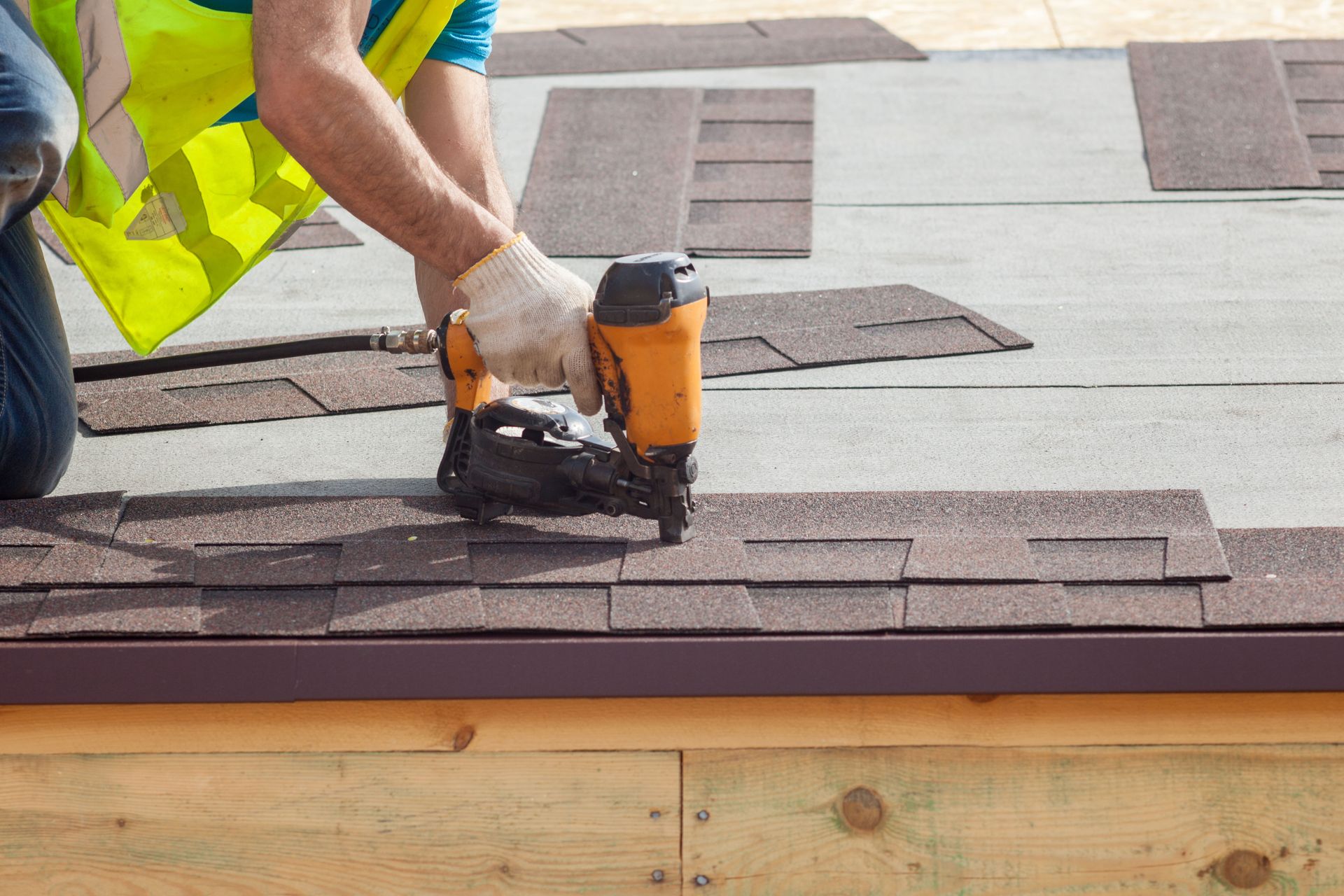
When investing in something as important as a roof, you want to make sure that the investment is long-term. Join your local roofing contractor as we discuss!
August 27, 2026
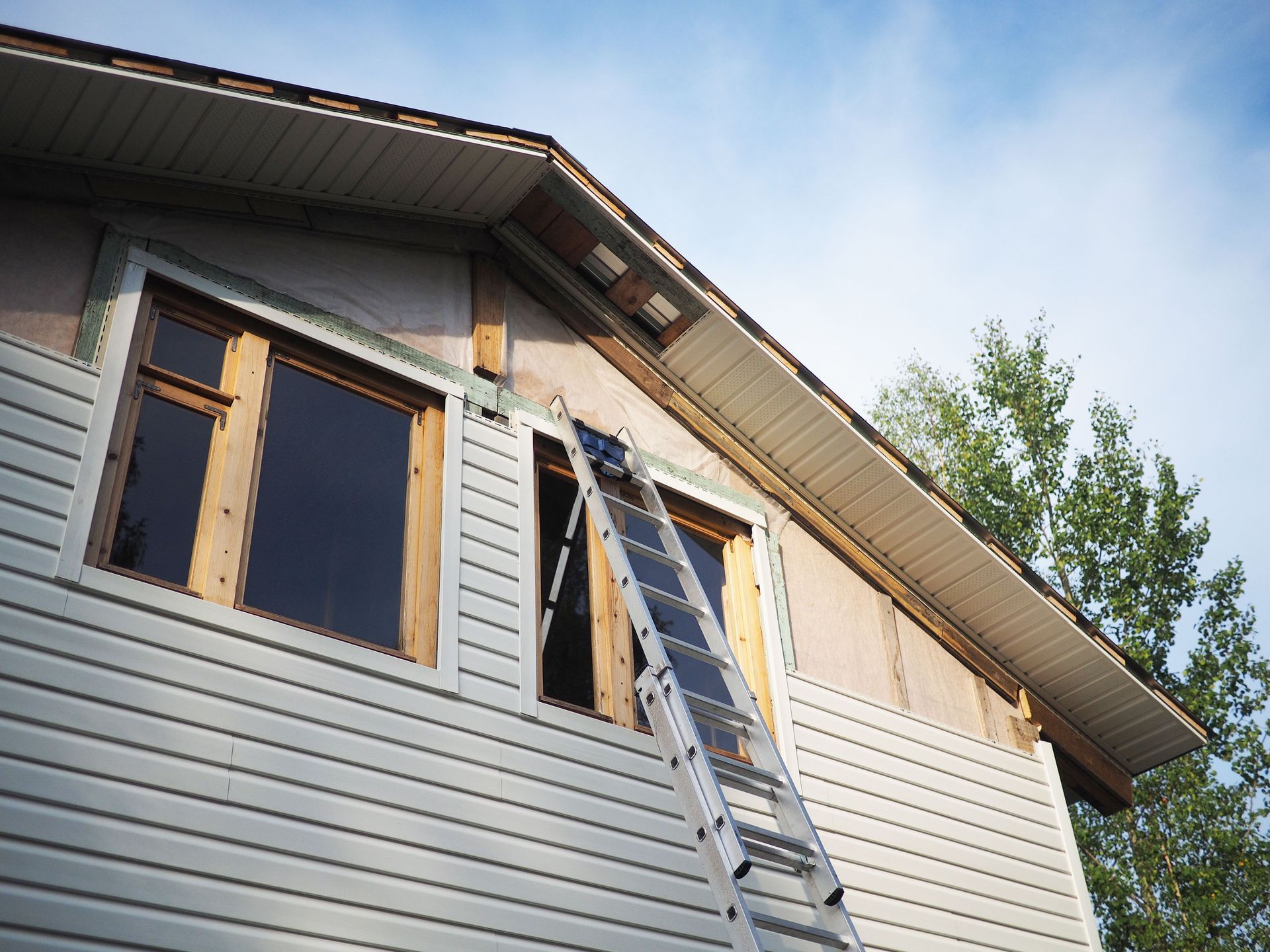
Are you looking for siding replacement? To learn what to look for, read on or contact the team at Dillman Brothers today!
August 25, 2026
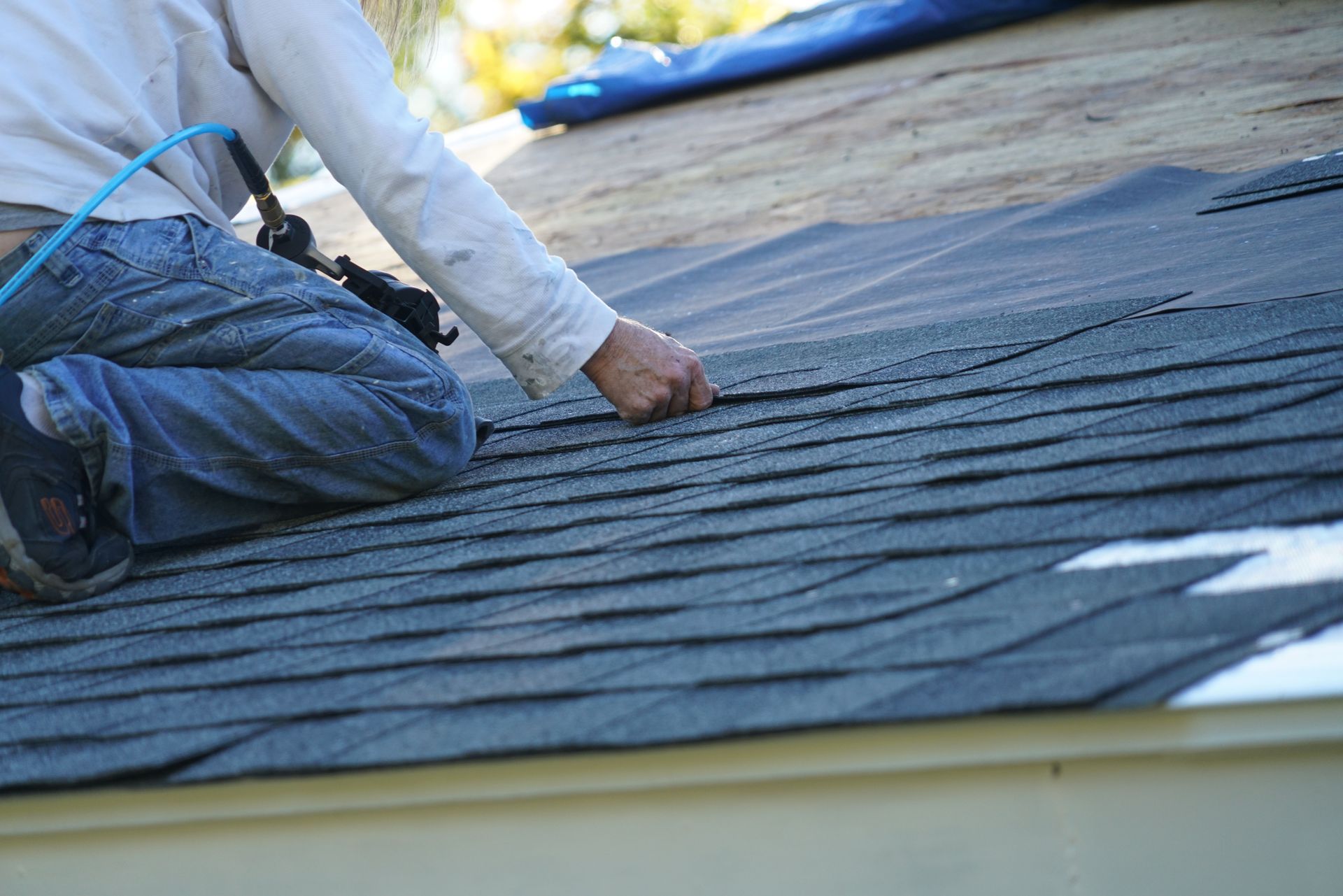
Protect your home from the elements. Contact Dillman Brothers today for professional roof installation that enhances your property's value and curb appeal.