March 30, 2026
The decision between a flat or sloped roof is one of the most significant architectural choices you will make for your home. It isn't just about how the house looks from the curb; it's about how the structure breathes, how it handles the elements, and how much you’ll spend on it over the next several decades. This article explores the key differences between flat and sloped roofs, evaluating the pros and cons of each to help homeowners make informed roofing decisions. Whether you're building a new home or replacing an old roof, understanding these differences is crucial for ensuring your home meets your needs and preferences. Comfort, safety, aesthetics, and cost all intersect when choosing a roof type. Delving into design aspects, financial implications, and more, each factor necessitates careful consideration. As such, awareness of local climate conditions and the architectural context can provide additional insight. When you sit down with a residential roofing contractor, you'll want to have a solid grasp of these variables to ensure your vision aligns with structural reality.
Comparing Architectural Styles and Visual Appeal
When you look at a home, the roof is often the first thing that defines its character. Flat roofs are heavily associated with modern and minimalist architectural designs. Their clean lines and uncluttered appearance seamlessly blend with contemporary aesthetics, offering a sleek profile that many homeowners find refreshing. This simplicity often appeals to those seeking a "less is more" vibe. Flat roofs can also offer additional outdoor space, sometimes repurposed as gardens or patio areas, enhancing a home’s usability and visual appeal. As urban landscapes grow, flat-roofed buildings are finding renewed resonance with homeowners who cherish simplicity and urban utility.
On the other hand, sloped roofs are steeped in tradition and classic charm. They are synonymous with timeless architectural styles like Victorian, Craftsman, and Colonial, which have enduring appeal. The angles and pitches of sloped roofs offer a visually dynamic element that flat roofs often lack. Additionally, sloped roofs convey feelings of coziness and warmth, particularly in areas with traditional neighborhoods and older buildings. The natural shape of sloped roofs fits harmoniously with environments that prioritize history and craft. When you consult a residential roofing contractor, they can help you visualize how each style transforms the silhouette of your specific property.
Analyzing Initial Construction and Material Costs
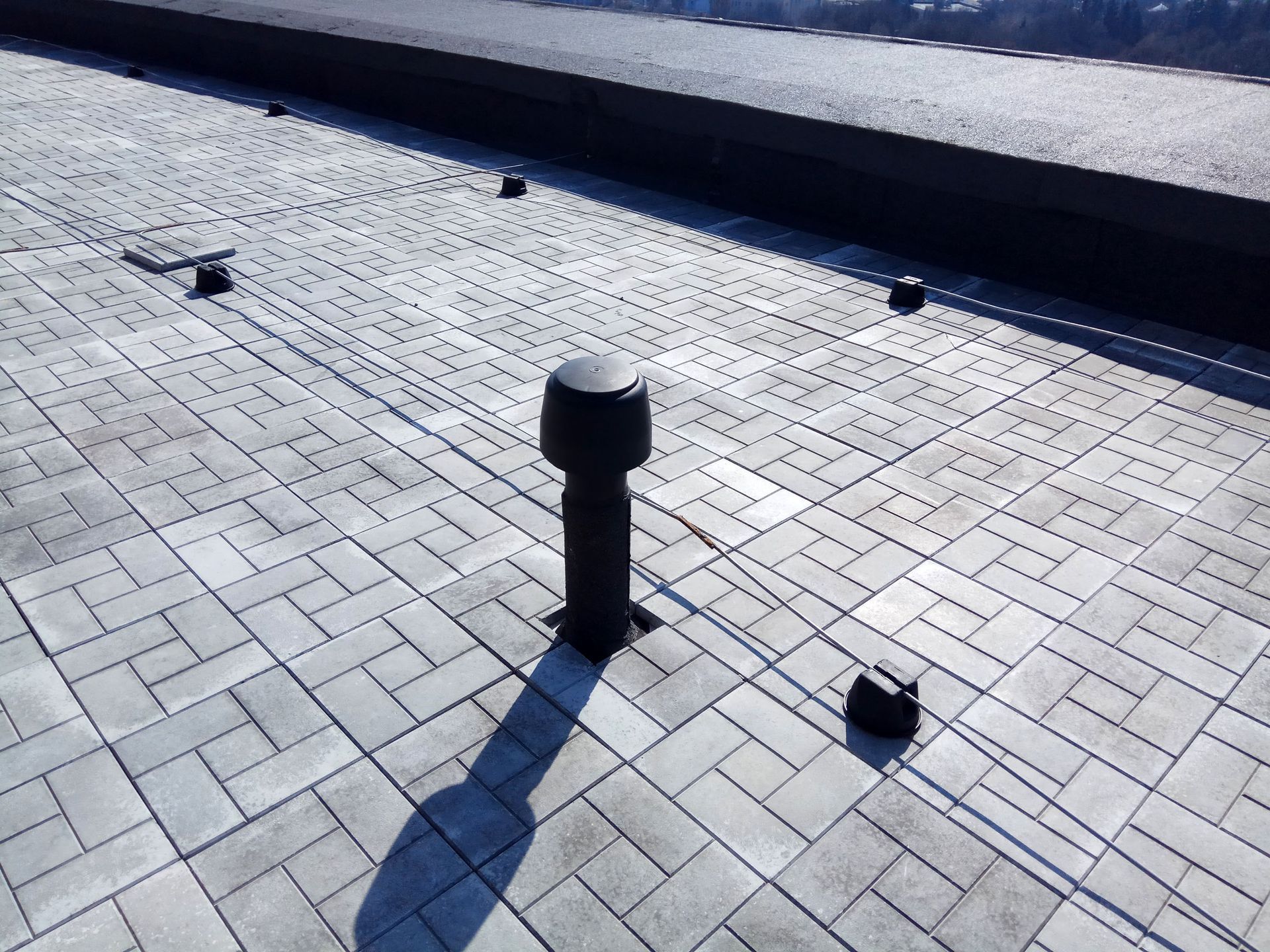
Budget is almost always a driving factor in home improvement. Generally speaking, flat roofs are less expensive to install initially than sloped roofs. This is primarily due to their simpler design and the straightforward construction process. The reduced materials and labor required can provide critical savings for budget-conscious homeowners. However, it is important to remember that this cost advantage can sometimes be offset by the need for specialized weatherproof coatings and intricate drainage systems that ensure water doesn't sit on the surface.
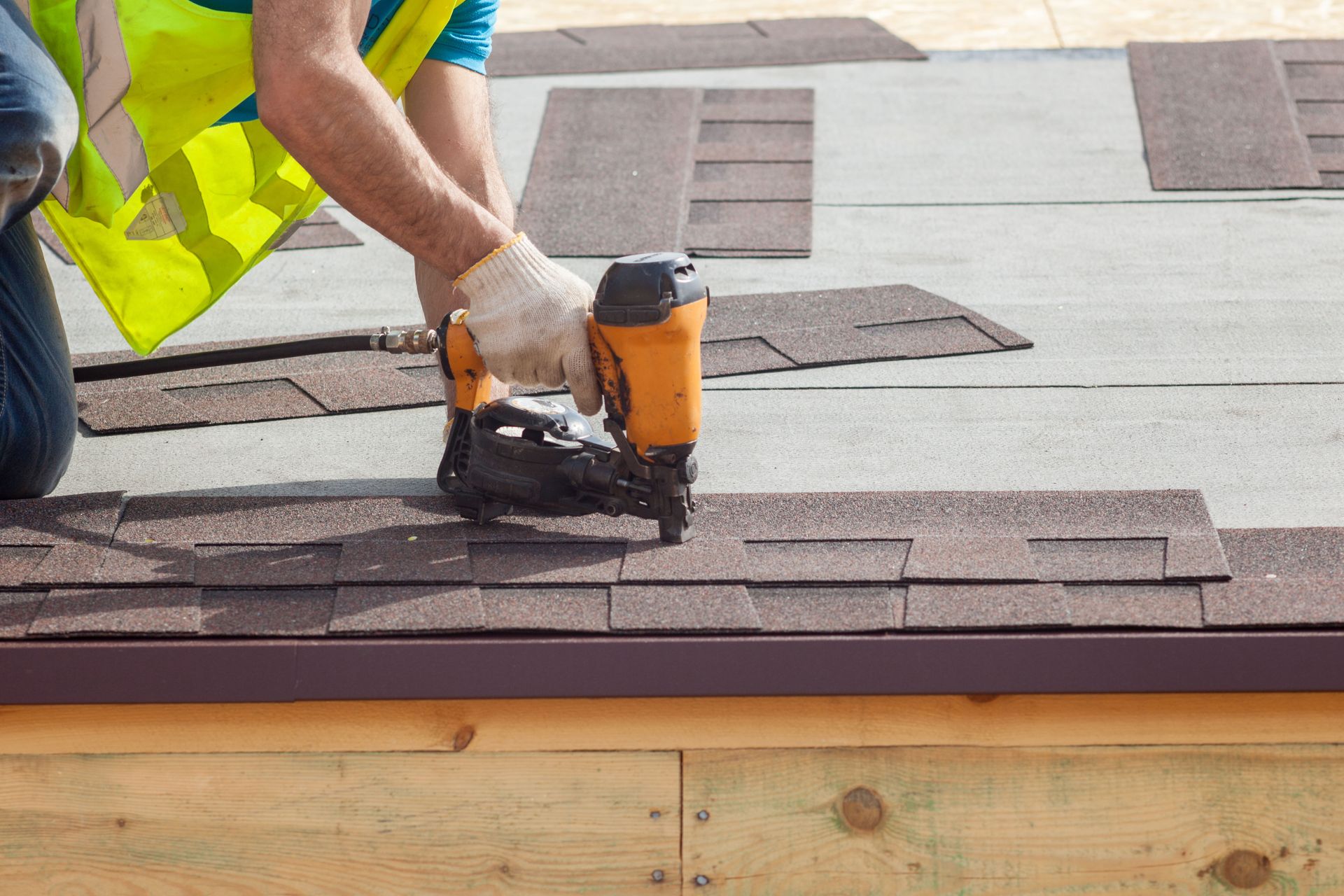
Sloped roofs require more complex framing and a larger surface area of materials, such as shingles or tiles, which naturally drives up the price. However, many homeowners find the investment worth it for the classic look and the "set it and forget it" nature of the drainage. According to This Old House, an average roof lasts between 25 and 50 years, depending on the quality, durability, and type of roofing material. This long-range perspective is vital. A residential roofing contractor will tell you that while a flat roof might save you money on day one, the long-term math depends heavily on the specific materials you choose to protect your investment.
Evaluating Maintenance Requirements and Long-Term Durability
Maintenance is where the two styles truly diverge. Flat roofs, due to their horizontal orientation, often require more frequent inspections to prevent water pooling and debris buildup. Because gravity isn't doing the work for you, you have to be proactive about ensuring the drainage pipes are clear and the membrane is intact. Sloped roofs have natural drainage capabilities, which significantly reduces the day-to-day worry during a rainstorm. The pitch allows water, leaves, and snow to slide off naturally, potentially reducing maintenance needs over time.
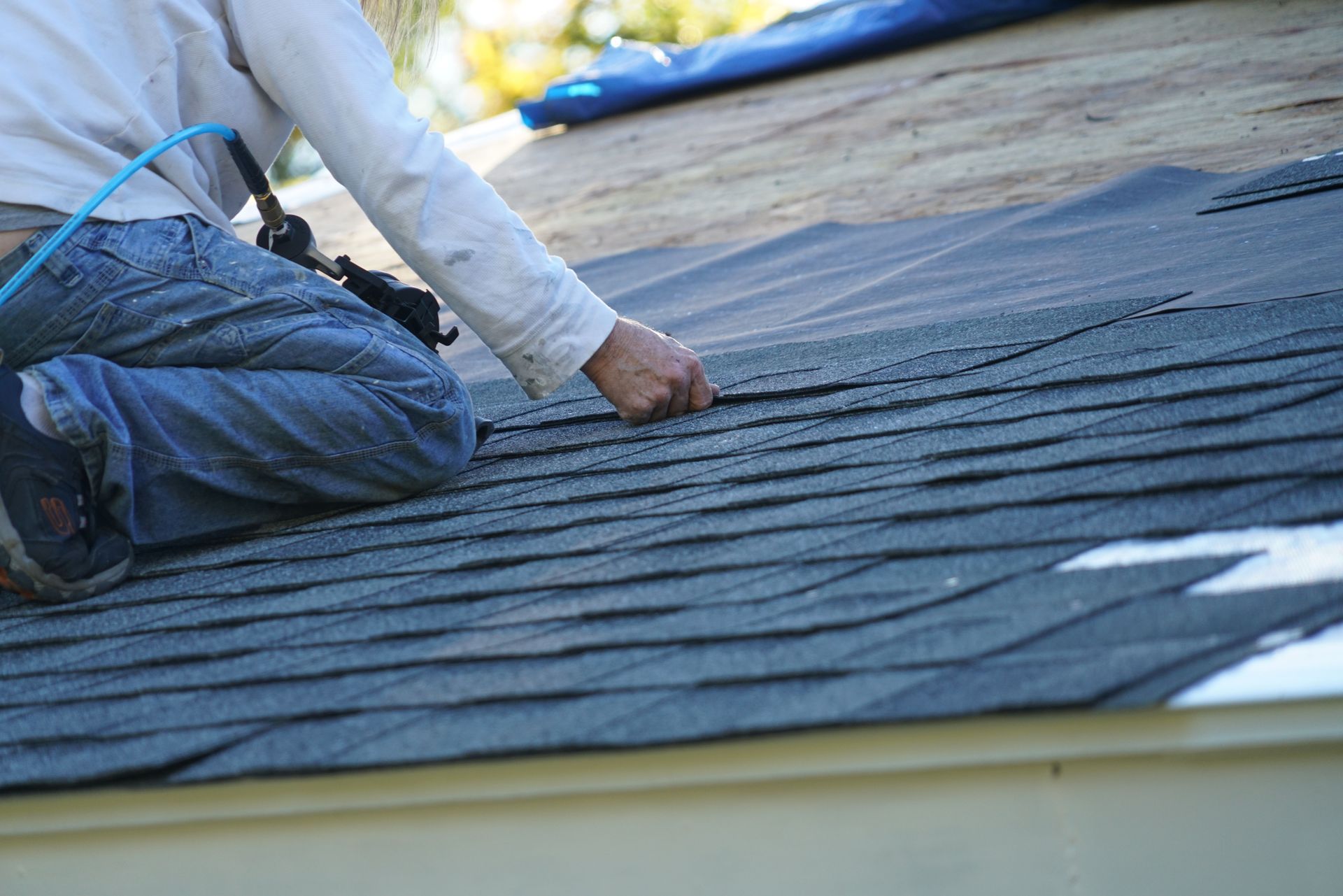
However, sloped roofs aren't entirely maintenance-free. Repairs to sloped roofs can be more complicated and physically dangerous due to the height and steep angles involved. While a flat roof allows a person to walk around easily to check for issues, a high-pitched sloped roof requires specific safety equipment. Whether you choose flat or sloped, the durability of your material is the ultimate decider of your roof's lifespan.
Assessing Climate Suitability and Weather Resistance
Your local weather should play a massive role in your decision. Sloped roofs are the undisputed kings of wet and snowy environments. The inclination allows for efficient water runoff and facilitates snow shedding, which minimizes accumulation and the structural stress that comes with heavy "snow loads." In regions prone to heavy rainfall or blizzards, the choice of a sloped design directly influences the structural safety of the home. It keeps the weight off the rafters and the moisture away from the foundation.
Flat roofs, conversely, require meticulous engineering to handle heavy weather. In hot, dry climates, however, they can be a major advantage. Flat surfaces are perfect for reflective "cool roof" coatings or even green roof installations (planting vegetation) to mitigate heat absorption. This can dramatically influence cooling costs and indoor comfort levels. However, if you live in a place with four distinct seasons, you’ll need to work closely with a residential roofing contractor to ensure a flat roof is engineered to bear the weight of a sudden winter storm without bowing or leaking.
Considering Practical Utility and Living Space
Beyond protection, think about how you want to use your home's footprint. Flat roofs offer unique opportunities for space utilization that sloped roofs simply cannot match. You can transform a flat surface into a rooftop garden, a private lounge, or even a space for extra storage. For homes in densely populated areas where yard space is a luxury, this additional "floor" can provide a valuable private outdoor retreat. It is also much easier to install and maintain solar panels or rainwater harvesting systems on a flat surface.
Sloped roofs offer a different kind of utility: the attic. The space created by the pitch of the roof provides excellent natural insulation and a huge amount of storage or even extra living space if the pitch is high enough for a finished vaulted room. Determining which type of "extra space" you value more—outdoor leisure or indoor storage—is a great conversation to have with your residential roofing contractor during the planning phase.
Understanding Installation Complexity and Code Compliance
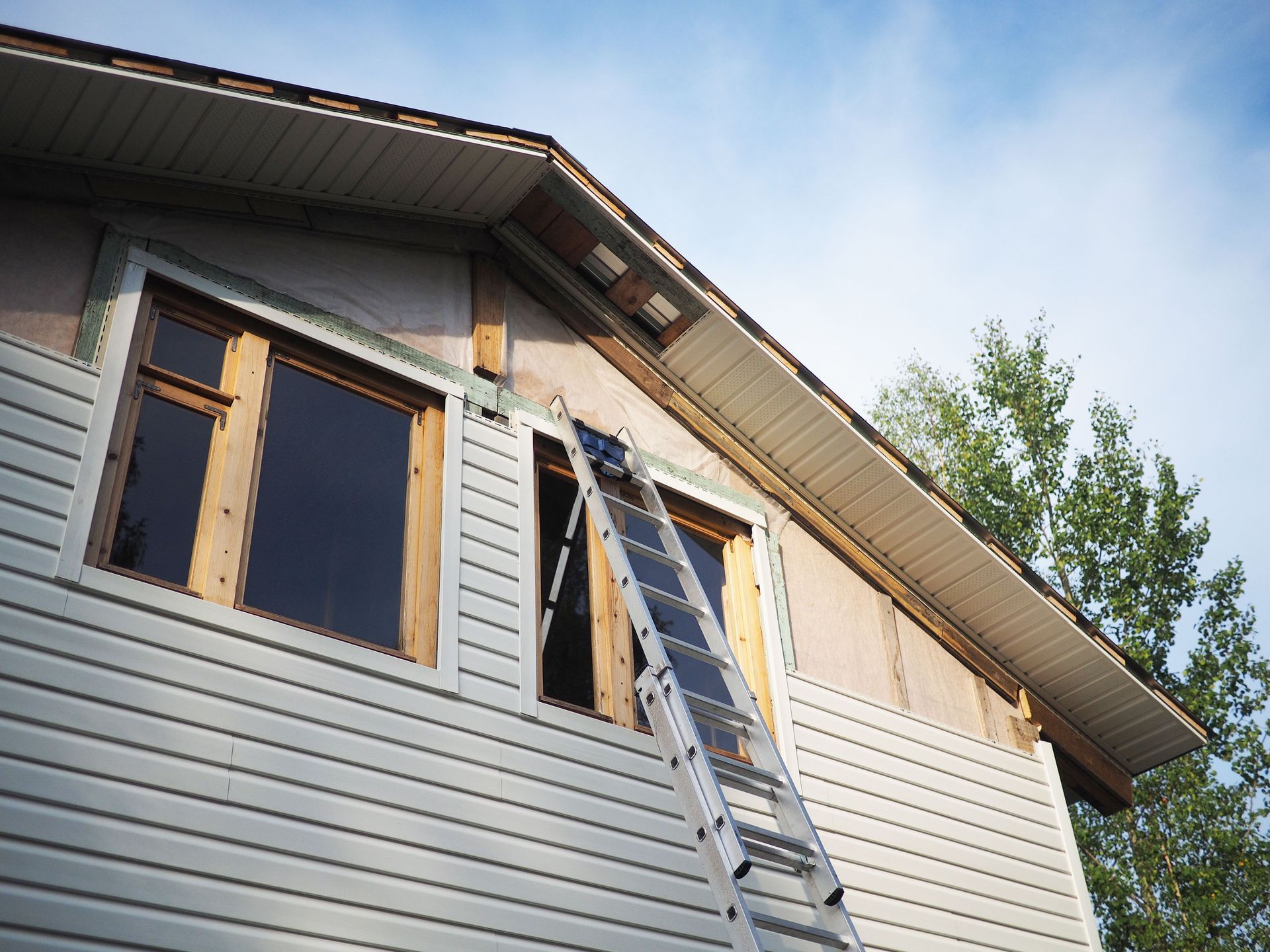
The process of actually building the roof comes with its own set of hurdles. Building code compliance is crucial for any project to ensure safety and adherence to regional standards. Sloped roofs may face specific local regulations regarding their height and how they might affect the "wind load" of the neighborhood. Because they catch the wind like a sail, they must be anchored precisely. Flat roofs often have a simpler time with height restrictions but must meet very strict drainage and weatherproofing criteria to pass inspection.
Investigating Future Trends and Sustainable Innovations
The roofing industry is currently seeing a surge in innovation. From "smart" roofs with integrated sensors that detect leaks to self-healing materials that react to temperature changes, the options are expanding. Sustainability is also a huge trend. Homeowners are increasingly looking for eco-friendly materials, whether that’s recycled shingles for a sloped roof or a "living" green system for a flat roof. These choices not only help the environment but can also increase your home's resale value by appealing to modern, eco-conscious buyers.
Ultimately, the choice between a flat or sloped roof should be guided by various factors, including design preferences, budget, climate, and practicality. By weighing the pros and cons in alignment with personal needs and regional conditions, homeowners can make informed decisions that ensure long-term satisfaction and value. While sloped roofs offer traditional appeal and natural drainage, flat roofs present opportunities for modern living spaces and additional utility. Each decision carries long-lasting implications, highlighting the importance of informed choices and thorough research in this essential aspect of homeownership. If you are ready to start your next project, reach out to the experts at Dillman Brothers.