August 27, 2026
Your home's siding does more than shape its appearance. It helps shield walls, insulation, and structural components from rain, wind, sunlight, and changing temperatures. When that exterior begins to deteriorate, small problems can eventually contribute to moisture intrusion, higher energy costs, and more extensive repairs. Recognizing the warning signs early can help homeowners decide when siding replacement is more practical than continued patching and maintenance.
What Are the Common Indicators That Siding Needs Replacement?
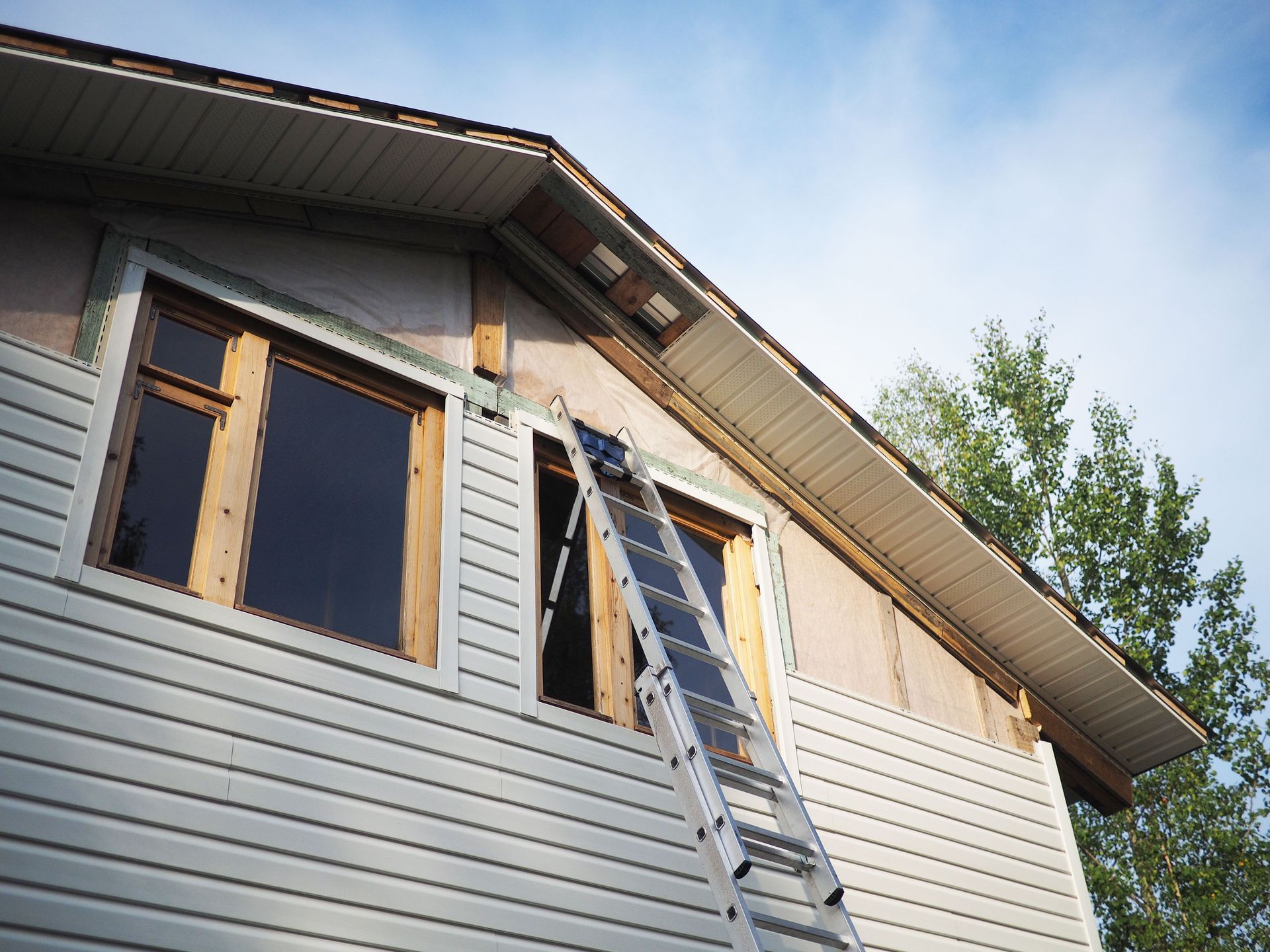
Cracks, holes, and broken panels are among the clearest indications that siding is no longer performing as it should. A few isolated defects may be repairable, but widespread damage can point to an aging exterior that needs a more comprehensive solution. During an inspection, homeowners should look for sections that have become brittle, separated, or noticeably different from surrounding panels.
Warping and buckling are also important warning signs. Siding that no longer sits flat against the home can indicate prolonged exposure to moisture, heat, or installation problems. Peeling paint or loose finishes can provide another clue, particularly when the surface repeatedly deteriorates after being repaired.
Homeowners should also pay attention to rot, soft areas, or visible mold around siding and trim. These conditions can suggest that moisture has moved behind the exterior. In such situations, siding replacement may be necessary along with an inspection of the underlying wall materials.
Another consideration is age. Even siding that looks reasonably attractive can lose durability over time. If an older exterior is repeatedly requiring repairs, replacing it may provide a more dependable long-term approach than continuing to address individual failures.
How Does Weather Damage Affect Your Siding?
Siding serves as one of the home's primary barriers against outdoor conditions, so severe weather can accelerate deterioration. Heavy rain can expose weak seams and damaged areas to moisture. If water reaches the materials behind the siding, it can contribute to swelling, rot, staining, or other forms of deterioration.
Wind can create a different set of problems. Strong gusts may loosen panels, damage fasteners, or allow debris to strike the exterior. After a major storm, homeowners should check for missing, cracked, or displaced sections rather than assuming minor-looking damage is harmless.
Sunlight can also affect siding over the years. Ultraviolet exposure may cause some materials and finishes to fade, become brittle, or lose their original appearance. Repeated cycles of heating and cooling can add further stress, particularly in climates with substantial seasonal temperature swings.
Moisture and temperature changes can compound one another. Water that enters small openings can expand and contract as temperatures change, potentially worsening cracks and gaps. When these issues affect broad sections of the exterior, siding replacement can restore a more consistent protective barrier.
When Is the Best Time to Replace Siding?
The ideal time for siding replacement depends on the material, local climate, contractor availability, and the condition of the home. In many areas, moderate temperatures during spring and fall create comfortable working conditions and avoid some of the extremes associated with midsummer heat or winter cold.
Summer can also be an effective time for the project, particularly when dry weather is common. However, very high temperatures can affect certain installation materials and make exterior work more challenging. Scheduling ahead of peak construction season may also give homeowners more flexibility when selecting a contractor.
Winter is generally less convenient for many siding projects, especially in regions that experience freezing temperatures, snow, or frequent storms. Some materials can be installed in colder conditions, but installation requirements vary. Homeowners should discuss seasonal limitations with their contractor before setting a project date.
Rather than waiting for an ideal season while serious damage continues, homeowners should prioritize the condition of the siding. If water is entering the wall system or panels are failing, delaying siding replacement could allow a manageable exterior problem to become a more expensive repair.
How Can Siding Replacement Improve Home Energy Efficiency?
The condition of exterior siding can affect how well a home's wall assembly performs. Damaged or poorly sealed areas can create opportunities for air movement and moisture intrusion. While siding itself is not the only factor that determines energy efficiency, a properly installed exterior can work with insulation, housewrap, flashing, and air-sealing measures to improve the overall wall system.
A siding project may also provide an opportunity to inspect existing insulation. Depending on the home's construction and the scope of the project, additional insulation can sometimes be installed beneath new siding. This can help reduce heat transfer through exterior walls and make indoor temperatures more consistent.
Improved efficiency can be especially valuable in homes with older exteriors. If residents notice drafts, uneven room temperatures, or unusually high heating and cooling demands, the siding may not be the only issue, but it can be worth evaluating as part of a broader exterior assessment.
The 2024 Cost vs. Value Report also illustrates why siding can be attractive from a resale perspective. According to the report, homeowners recouped approximately 80.2% of the cost of a vinyl siding replacement project at resale, placing the improvement among the stronger exterior remodeling investments.
Which Materials Are Best for Siding Replacement?
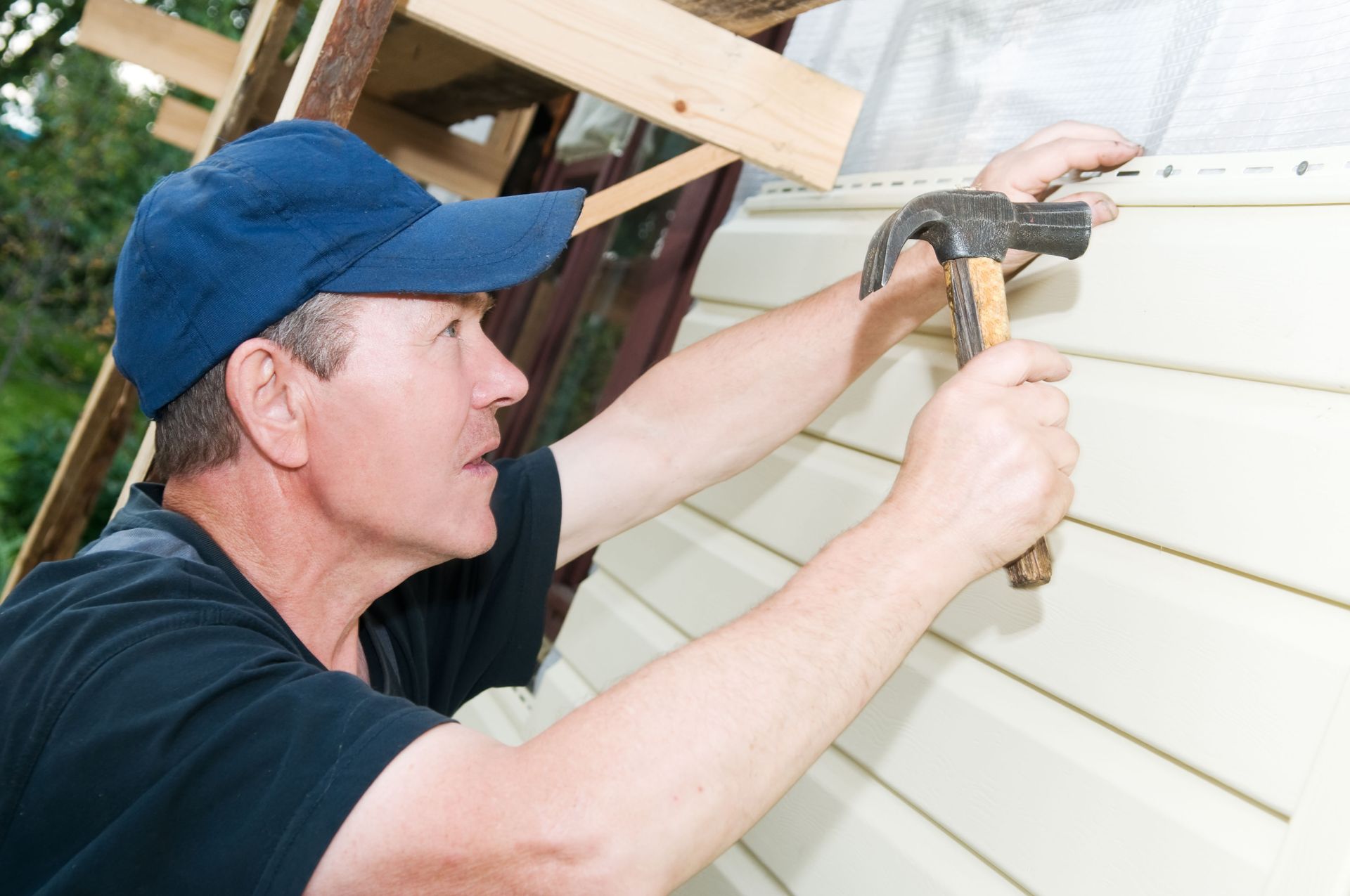
Vinyl remains a popular option because it is generally affordable, available in numerous colors and profiles, and relatively easy to maintain. It can provide a practical balance between appearance, durability, and installation cost for many homeowners.
Fiber-cement siding offers another option for people seeking a durable exterior with a different appearance and performance profile. It can be manufactured to resemble wood and is known for resisting common problems associated with moisture and insects. Its weight and installation requirements can make professional installation particularly important.
Wood siding provides a traditional appearance that can complement many architectural styles. However, it generally requires more ongoing maintenance than some synthetic alternatives. Painting, staining, and inspections can help protect the material from moisture and deterioration.
Engineered wood siding can offer some of the visual characteristics of traditional wood while using manufactured materials designed for greater consistency. Metal siding is another possibility, particularly for homeowners interested in a distinctive appearance and durable exterior surface.
Choosing a material should involve more than comparing appearances. Homeowners should consider local weather, maintenance expectations, installation requirements, budget, expected service life, and the home's architectural style. A qualified contractor can also assess the existing wall system before recommending siding replacement.
Siding problems should not be dismissed as purely cosmetic. Cracks, warping, peeling finishes, moisture damage, loose panels, and repeated repairs can all indicate that an exterior is approaching the end of its useful life. Weather exposure can accelerate these problems, while an aging or damaged exterior may also affect the performance of the wall system.
Timing, material selection, and installation quality all matter when planning
siding replacement. Homeowners should consider the local climate and schedule the work when conditions are suitable, while avoiding unnecessary delays when serious damage is already present. Vinyl, fiber cement, wood, engineered wood, and metal each offer different benefits, making the right choice dependent on the home's needs.
Ultimately, replacing deteriorated siding can protect the structure, refresh curb appeal, support energy-efficiency improvements, and contribute to long-term property value. Watching for warning signs and addressing problems before they spread can help homeowners make a more informed decision about when siding replacement is warranted. If you're searching for new siding. reach out to the dedicated team at Dillman Brothers today!