Roofing materials are crucial components in building construction and influence both the aesthetic and functional aspects of a structure. The selection of roofing material affects not only appearance but also durability, energy efficiency, and environmental impact. This article provides an in-depth examination of various roofing materials, offering insights into their respective benefits, implications for design, cost-effectiveness, and environmental considerations.
Asphalt Shingles
Durability and Lifespan
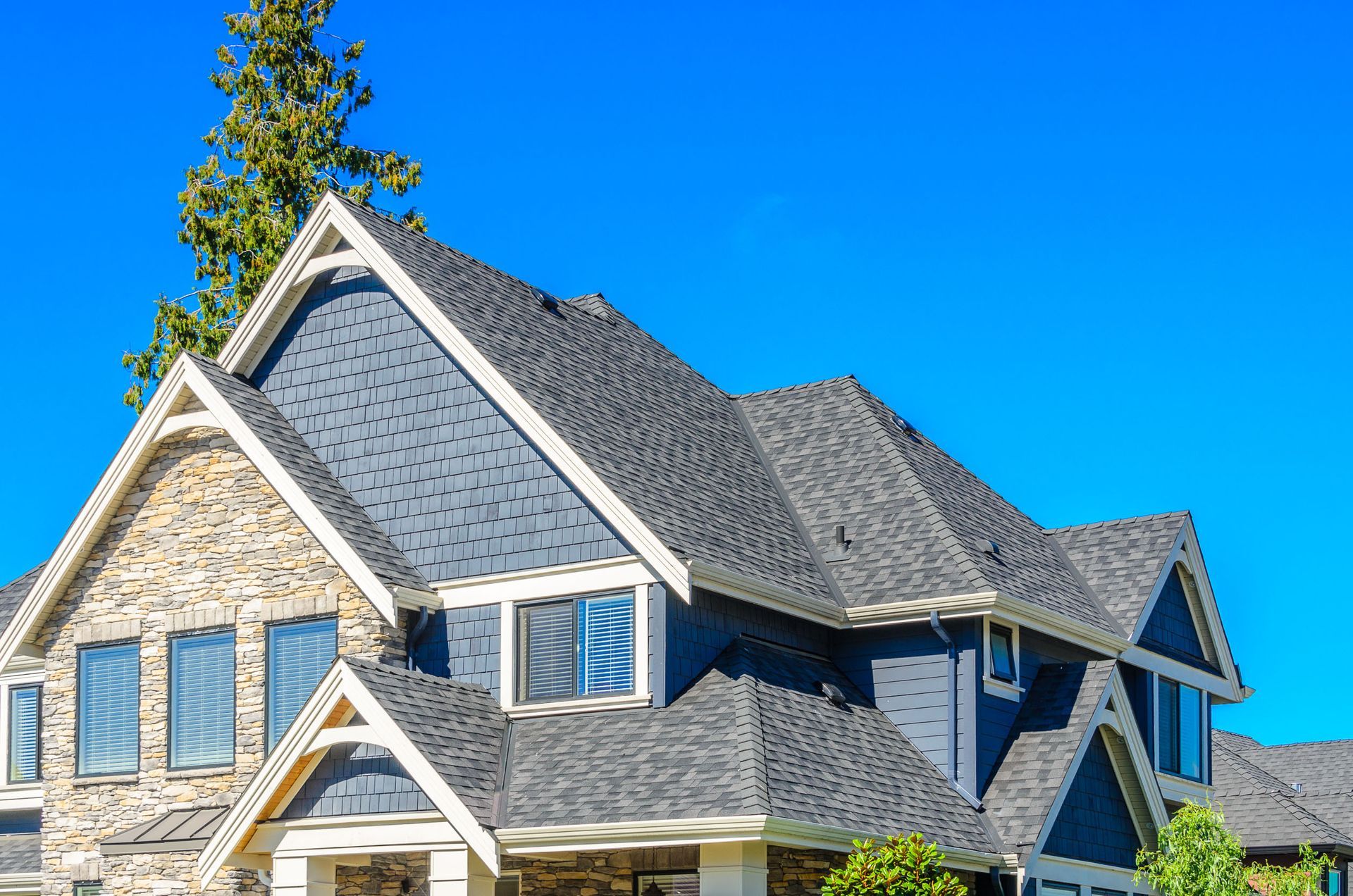
Despite their affordability, modern asphalt shingles are constructed to be impressively durable, often lasting 20 to 30 years with proper upkeep, in our experience as a roofing contractor. Manufacturers have developed enhanced shingle options that incorporate additional layers or additives, such as fiberglass or organic materials, that bolster shingle strength and longevity. The durability of asphalt shingles can also be attributed to the specialized mineral granules embedded on their surfaces, which protect the underlying materials from ultraviolet radiation and physical damage. Though not as long-lasting as metal or slate, asphalt shingles provide a reasonable lifespan, offering a balance between cost and durability for the average homeowner. This balance makes them an appealing option for those seeking reliable, economically feasible solutions without compromising on vital protective characteristics.
Aesthetic Versatility
In addition to their practical benefits, asphalt shingles stand out for their aesthetic versatility, available in a wide array of colors, textures, and styles. Homeowners can choose shingles that mimic the appearance of more expensive materials like wood or slate, enhancing the visual appeal of their homes without incurring substantial costs. The varied design options complement different architectural styles, from traditional to contemporary, helping to maintain or improve the home's curb appeal. With continued innovations in shingle-design technology, manufacturers are constantly introducing new styles and colors, enabling homeowners to achieve their desired look with precision. This flexibility allows asphalt shingles to meet the diverse preferences of homeowners and builders seeking both practicality and beauty.
Metal Roofing
Longevity and Resilience
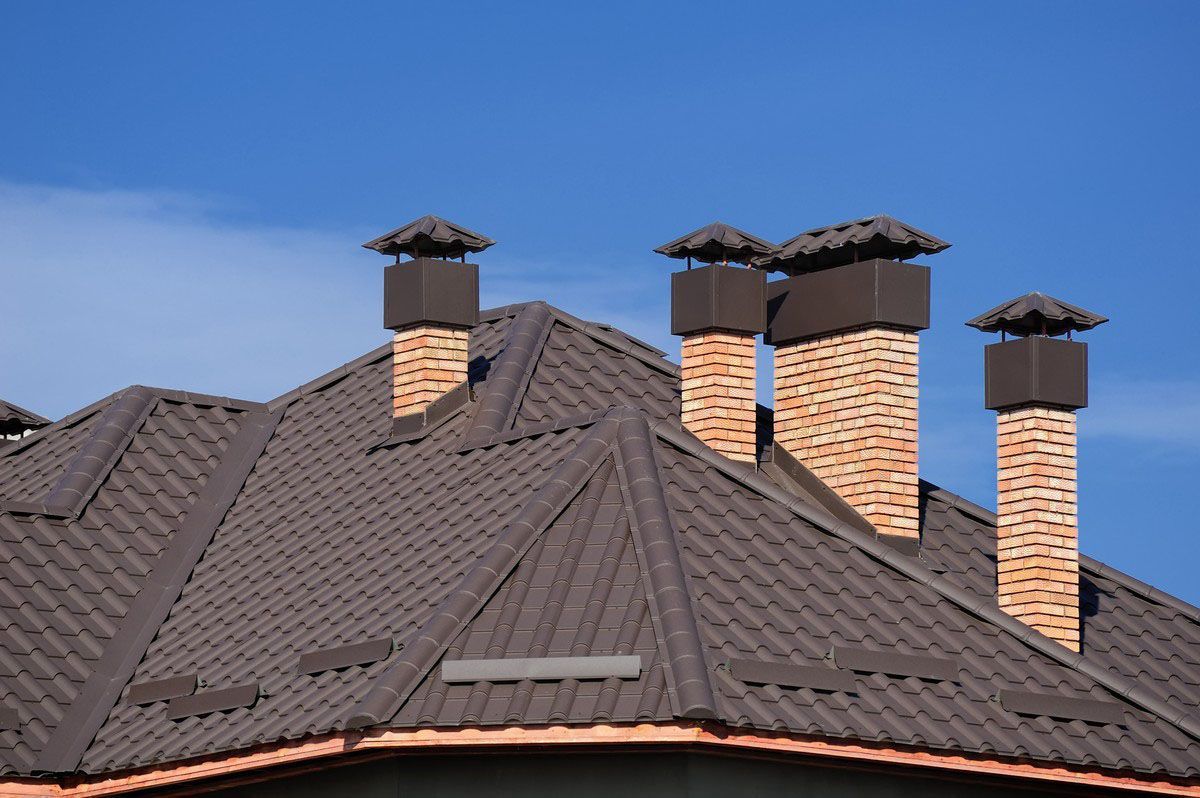
One of the most compelling attributes of metal roofing is its impressive longevity, with some metal roofs enduring 50 years or longer according to This Old House. This extended lifespan, far exceeding that of many traditional roofing materials, is due to metal's inherent resistance to weathering, including wind, rain, and snow. Unlike materials such as asphalt shingles, metal does not degrade under prolonged sun exposure and is impervious to insect or rot damage, solidifying its reputation for resilience. Its ability to withstand intense weather conditions makes metal roofing an attractive option in climates with severe weather patterns. As a result, the investment in metal roofing can ultimately offer significant savings over time by reducing replacement frequency and associated costs.
Energy Efficiency
Metal roofs stand out for their energy efficiency, contributing to reduced heating and cooling costs, a significant consideration in today's environmentally-conscious construction. The reflective properties of metal surfaces allow them to deflect sunlight, reducing heat absorption and keeping buildings cooler during hot weather. This quality significantly lowers the demand on air conditioning systems, facilitating energy savings particularly in warmer climates. Additionally, metal roofing is frequently integrated with insulating materials that enhance its thermal performance, optimizing both seasonal comfort and energy usage. By reducing energy consumption and enhancing insulation, metal roofing contributes to a more sustainable living environment, aligning with green building standards and certifications.
Style and Design Flexibility
Contrary to what some may assume, metal roofing offers significant style and design flexibility, accommodating a diverse range of architectural aesthetics. Metal roofs are no longer restricted to industrial applications; today's market offers a variety of colors, coatings, and profiles to suit residential needs. Homeowners can select from various metal types, including aluminum, steel, and copper, each offering distinct advantages in terms of color and longevity. These options enable homeowners to incorporate metal roofing seamlessly into both contemporary and traditional home designs. Continuous advancements in manufacturing techniques also allow metal roofing to mimic traditional materials while providing enhanced durability and efficiency.
Ceramic and Clay Tiles
Traditional Aesthetics
Ceramic and clay tiles infuse architectural projects with timeless aesthetics, conjuring images of classic Mediterranean and Spanish-style buildings. Their traditional appeal stems from their rich color palettes, ranging from earthy reds to diverse glazes, which can be customized to suit specific design visions. These tiles offer distinction and charm, imparting an aura of sophistication and enduring beauty that few other materials can replicate. Beyond simple aesthetics, clay tiles provide unique textures that catch light in compelling ways, enhancing the visual dimensions of a property. This visual allure has led to the resurgence in popularity of ceramic and clay tiles, even amidst the developing modern architectural landscape.
Thermal Performance
In addition to their aesthetic appeal, ceramic and clay tiles offer notable thermal performance, contributing to comfortable internal living environments. The natural properties of the clay tiles allow them to effectively insulate homes by absorbing and slowly releasing heat, an advantageous feature in varying climates. This slow thermal transfer helps to stabilize indoor temperatures, minimizing reliance on heating and cooling systems and thereby enhancing energy efficiency. In warm climates, clay and ceramic tiles can help keep interiors cool by reflecting heat, a benefit that homeowners increasingly value amidst rising energy costs. Such thermal characteristics position clay tiles as practical options for achieving efficient, sustainable building designs.
Environmental Considerations
Ceramic and clay tiles are environmentally responsible choices, largely due to the natural materials used in their production and their inherent longevity. The raw materials constitute abundant and sustainable sources, and many production processes are designed to minimize environmental impact. Furthermore, the lifespan of clay tiles, often exceeding 50 years in our experience, reduces the frequency of roof replacements, minimizing waste production and resource consumption. End-of-life considerations for clay tiles also present environmental advantages; they can often be recycled or repurposed in landscaping applications. These ecological benefits reinforce the appeal of clay tiles for eco-conscious homeowners seeking beautiful, enduring, and responsible roofing solutions.
Slate Roofing
Natural Beauty
Slate roofing is synonymous with natural elegance, characteristic of upscale estates and historical buildings renowned for their structural beauty. The allure of slate roofs lies in the inherent variation of color and texture found in each piece of stone, offering unique and vibrant visual effects. With a range of finishing styles, from smooth to rustic, slate can cater to distinct architectural themes, providing unmatched elegance and depth. In addition to its aesthetic value, new treatment techniques preserve slate's natural appearance while enhancing its durability, making it a coveted option despite its higher cost. As a result, slate roofing appeals to those who prioritize aesthetics and are willing to invest in a statement piece for their property.
Exceptional Lifespan
The durability and remarkable lifespan of slate roofing stand as a testament to its superiority among other materials, often enduring over a century, in our experience. This longevity stems from slate's natural resistance to weathering and its robustness against the elements, showcasing unrivaled resilience. Unlike man-made roofing products, slate does not suffer from degradation due to UV exposure or chemical interactions, maintaining its structural integrity over decades. Given its impressive lifespan and resistance to the challenges posed by various climates, slate is often characterized as a legacy material, meant for those intending to ensure lasting value across generations. While the initial cost is significant, the reduced frequency of repairs and replacements contributes to significant savings over time.
Recycling and Environmental Impact
The environmental impact of slate roofing aligns with sustainable practices due to the material's reliance on naturally occurring elements. Slate extraction processes focus on minimizing lasting environmental disruption, and many quarries employ techniques that optimize resource utilization. As a naturally durable product, slate roofing necessitates infrequent replacement, reducing manufacturing demand and waste generation. Additionally, end-of-life slate tiles are often repurposed in artistic or architectural applications, continuing the cycle of ecological consideration. This commitment to an eco-friendly lifecycle strengthens slate's standing among environmentally conscious roofing choices, complementing its aesthetic and functional merits.
The right roofing choice can lead to significant improvements in energy consumption and sustainability, making it vital for homeowners and builders to understand the differences. If you want to learn more about the characteristics that distinguish each type of roofing material and how these features can align with specific housing needs and climate conditions, reach out to Dillman Brothers today!