October 29, 2026
Your home's siding plays an important role in its appearance, comfort, and protection against the elements. Over time, exposure to sunlight, wind, rain, and changing temperatures can leave exterior materials looking worn or performing less effectively. If your home has visible damage or an outdated appearance, siding replacement may be worth considering.
Deciding whether to replace vinyl siding involves more than evaluating its color or condition. Understanding the warning signs, potential benefits, and installation process can help you determine whether a new exterior is the right investment for your property.
Recognize When Your Vinyl Siding Needs Replacement
Identify Visible Signs of Wear and Damage
One of the clearest reasons to consider siding replacement is visible deterioration. Vinyl panels can crack, warp, loosen, or develop gaps after prolonged exposure to harsh weather. Although individual panels may sustain damage from impacts or other isolated incidents, widespread deterioration can indicate that the existing siding is nearing the end of its useful life.
Pay attention to areas where panels overlap, corners where pieces meet, and sections exposed to strong winds or direct sunlight. Faded colors, uneven surfaces, and recurring damage may suggest that your exterior needs more attention than occasional repairs can provide. Examining these issues across the entire house helps you understand whether the damage is localized or widespread.
The age of your siding also deserves consideration. According to This Old House, vinyl siding typically remains serviceable for approximately 20 to 40 years. Its actual lifespan depends on factors such as installation quality, maintenance, and weather exposure. If your siding is approaching this age range and showing several signs of deterioration, a professional assessment can help you determine whether replacement makes sense.
Look for Moisture and Insulation Problems
Exterior damage does not always remain confined to the siding itself. Cracks, loose panels, and deteriorated seams can create openings where moisture enters the wall assembly. Over time, trapped water can contribute to damaged sheathing, mold growth, and other problems that require more extensive repairs. Investigating these concerns early can help prevent additional deterioration.
Changes in indoor comfort may also indicate that your exterior deserves closer inspection. If certain rooms develop noticeable drafts or temperatures fluctuate despite consistent heating and cooling, gaps or problems within the exterior wall assembly could be contributing factors. Rising utility bills may warrant investigation, although several other household systems can affect energy consumption.
During an inspection, a siding contractor can examine damaged sections and look for evidence of moisture intrusion or underlying structural concerns. Addressing these problems before installing new materials helps establish a suitable foundation for the project. Replacing worn siding without correcting underlying damage may leave important issues unresolved.
Evaluate the Benefits of Replacing Your Vinyl Siding
Refresh Your Home's Exterior Appearance
The visual impact of new siding can be substantial, particularly when the existing material has faded, cracked, or become inconsistent in appearance. Siding replacement gives homeowners an opportunity to update their property's exterior while preserving its architectural character. A fresh finish can make the entire house appear better maintained without requiring a complete exterior renovation.
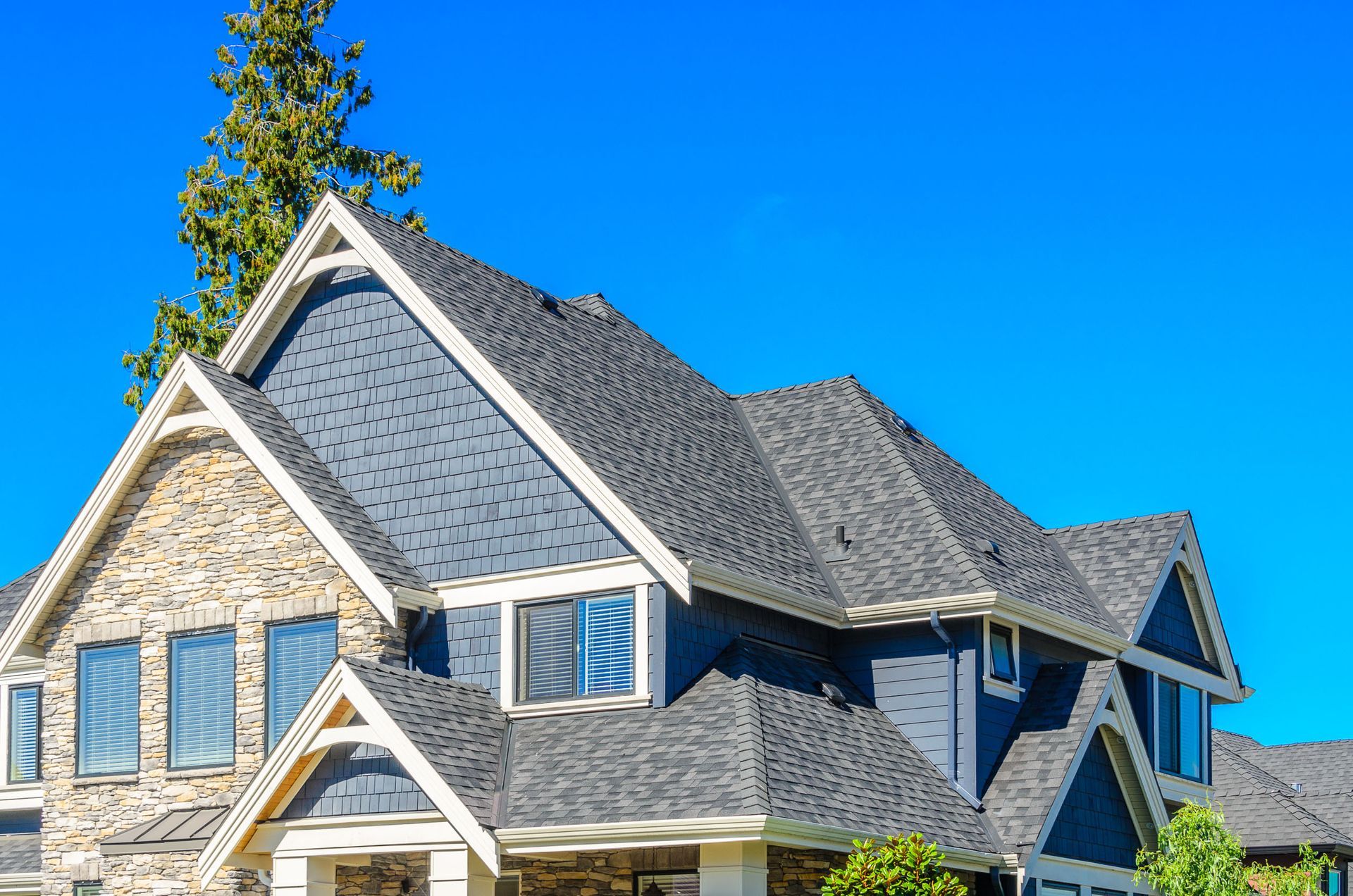
Vinyl siding comes in a variety of colors, textures, and profiles, allowing you to choose an appearance that complements your roof, windows, doors, and other exterior features. Some options recreate the look of traditional wood siding, while others offer clean lines suited to more contemporary homes. Considering these elements together helps create a cohesive design rather than an exterior that feels pieced together.
Your choice of color can also influence the property's overall appearance. Lighter shades may create a clean, understated look, while darker colors can provide contrast against lighter trim. Before settling on a particular option, consider the surrounding landscape, permanent exterior features, and the architectural style of your home. Selecting a finish that works with these existing elements can produce a more balanced result.
Improve Weather Protection and Indoor Comfort
Well-installed siding helps shield your home's exterior walls from wind, rain, and other environmental conditions. When existing panels become loose or damaged, their ability to protect the underlying structure may be compromised. Replacing deteriorated materials can restore an important layer of defense against weather exposure, provided the installation also addresses necessary flashing, drainage, and moisture-control details.
Homeowners considering siding replacement may also benefit from evaluating insulated vinyl options. Depending on the product and wall assembly, insulation can help reduce heat transfer through exterior walls and improve indoor temperature consistency. However, the actual results depend on several factors, including existing insulation, air leakage, window performance, and installation quality. New siding alone will not resolve every source of energy loss.
Proper installation remains essential to achieving these benefits. Contractors should account for the condition of the underlying walls, appropriate ventilation, and the siding manufacturer's installation requirements. Careful preparation and precise fitting help reduce the likelihood of gaps, moisture problems, and premature material failure. Discussing these details before work begins can clarify what the project will accomplish and which additional repairs may be necessary.
Prepare for Your Home's Exterior Upgrade
Compare Repair Costs With Replacement Expenses
Before committing to a project, consider whether targeted repairs could address your home's current problems. If only a few panels are damaged and the remaining siding is in good condition, replacing those sections may be a practical option. Matching the existing color and profile can sometimes be difficult, particularly when the original product has faded or is no longer available, so discuss the likely appearance of repairs with your contractor.
Widespread cracks, recurring moisture intrusion, extensive warping, and deterioration across multiple sides of the house may make full replacement a more reasonable long-term choice. Although replacing an entire exterior generally requires a larger initial investment, it may reduce the need for repeated repairs when the existing material has deteriorated significantly. The right decision depends on the scope of the damage, the condition of the underlying structure, and your plans for the property.
Requesting a detailed estimate can help you compare your options accurately. Ask contractors to explain material costs, labor, removal and disposal of existing siding, preparation work, and any anticipated repairs to the underlying walls. You should also clarify warranty coverage and whether additional expenses could arise if concealed damage appears during removal. Comparing estimates with consistent project details makes it easier to evaluate the overall value of each proposal.
Understand the Installation Process
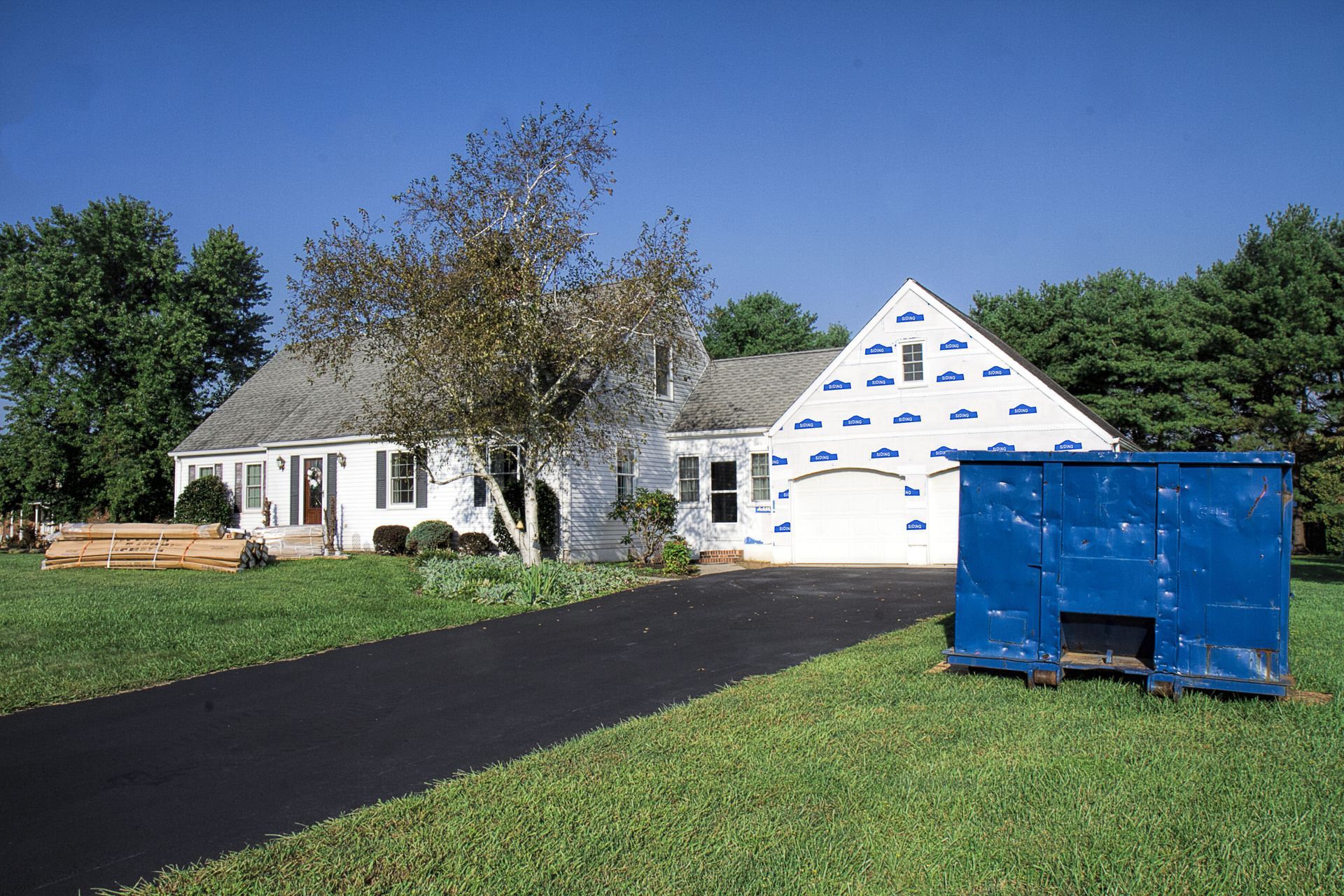
Knowing what happens during siding replacement can help you prepare for the work. The project typically begins with an evaluation of the existing exterior, followed by material selection and a written estimate. Once the work is scheduled, the contractor removes the old siding and inspects the exposed surfaces for damaged sheathing, moisture intrusion, and other concerns that need attention before installation.
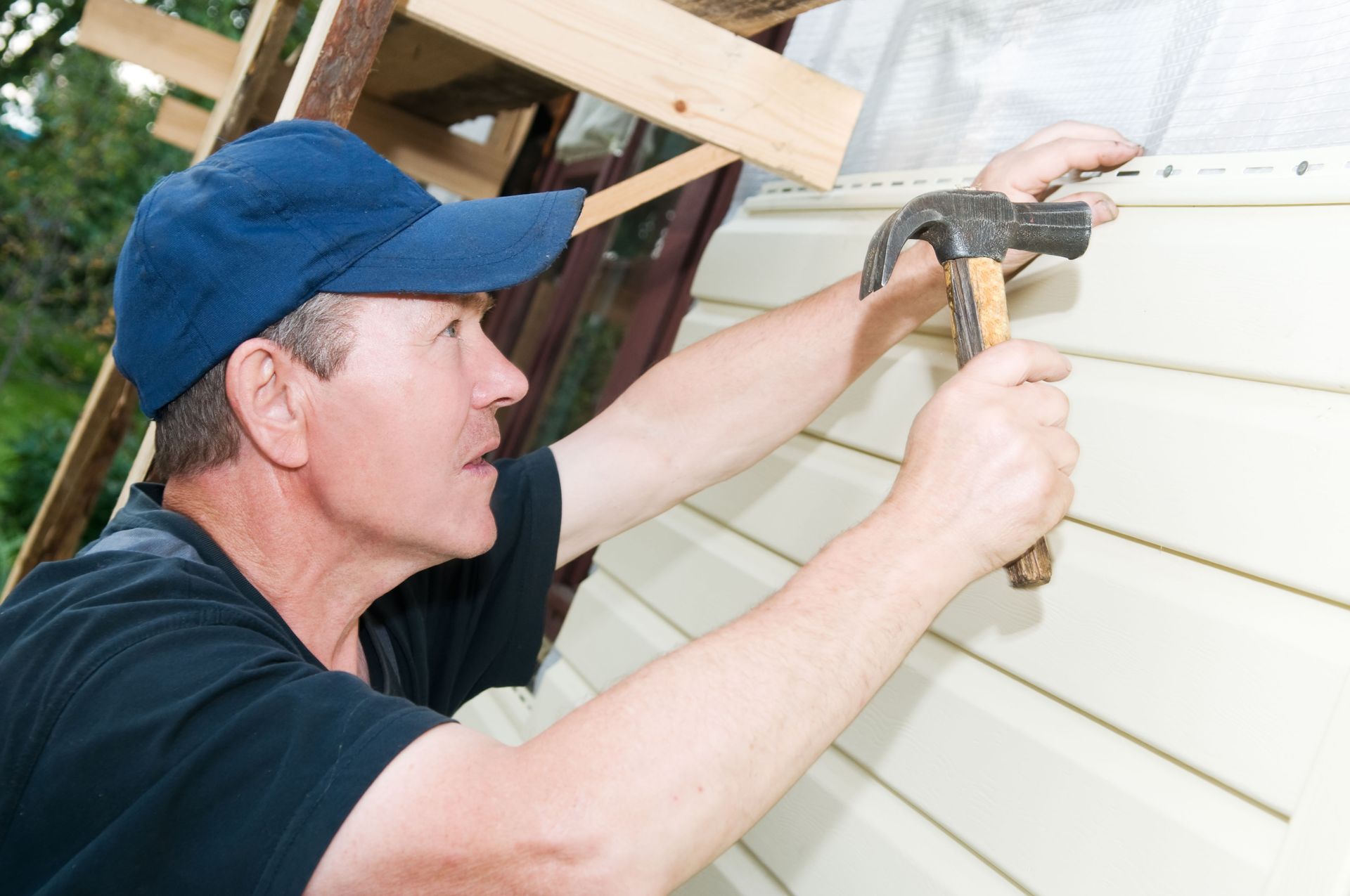
After necessary repairs and preparation are complete, the new panels are installed according to the manufacturer's specifications. Proper fastening, panel alignment, and attention to openings around windows and doors are important for both appearance and weather resistance. Contractors should also account for the natural expansion and contraction of vinyl as temperatures change, helping the finished exterior perform as intended.
The length of the project varies with the home's size, the complexity of its architecture, weather conditions, and the amount of preparation required. Before installation begins, discuss the expected schedule, access requirements, and any steps needed to protect landscaping or outdoor features. A final walkthrough gives you an opportunity to review the finished work, ask questions, and address any concerns before the project is considered complete.
Ultimately, vinyl siding replacement can be a worthwhile investment when your home's exterior shows widespread deterioration, struggles to protect against moisture, or no longer meets your aesthetic preferences. Evaluating the condition of your siding, comparing repairs with replacement, and selecting appropriate materials will help you make an informed decision. Contact Dillman Brothers today to discuss your siding replacement options and request a free quote.